DEI Programmes Are Being Quietly Defunded. Women in STEM Are Paying the Price.
The mood music has changed. And women in senior leadership are feeling it first.
Joanne Lipman has spent fifteen years covering women in the workplace.
She wrote recently in the New York Times that we have moved from "believe women" to "erase women."
They didn't do this with a bang, or often even with a formal announcement.
They do it quietly; in programmes defunded, in networks disbanded, in organisations that used to compete to be seen championing gender equality, now backing away from it without explanation.
I wholeheartedly recognise exactly what she's describing.
Because I have been watching it happen in real time.
And in many cases, living it.
The Programme That Got Some of Their Best Ever Feedback
A few years ago, I designed and delivered a leadership development programme for a large organisation.
I took it to an advocate internally and we called it the 'Peak Resilience Accelerator'.
The feedback was extraordinary, beyond what I could ever want actually.
In fact, it was among the best feedback for a pilot the host organisation said they had ever received for anything they had run.
The participants, primarily senior women, were energised, genuinely changed in how they led, and were asking for more.
Colleagues noticed the difference.
So did their families; a big unanticipated bonus.
We wanted to expand it into new teams.
Then the senior female leader who had championed and sponsored the programme left the organisation.
She advocated hard for its continuation before she went, but it didn't matter.
The funding didn't continue after she left.
I'll never be able to prove what the decision was based on.
Organisations rarely explain these choices honestly, least of all to external providers.
But I noticed the sequence of events.
And I am not the only person in my field who has noticed something similar.
What I'm Seeing Across Organisations
The consultancy work I built over twenty years: speaking at internal women's networks about the lessons in my books, designing sponsorship programmes, leading culture change projects in legal, energy, technology and financial services?
It's largely fallen off a cliff.
Not because the problems or the challenges women face got 'solved'.
In fact, the underrepresentation of women in senior leadership is as real as it ever was.
In some areas the data shows the situation has actually gotten worse.
The data on who gets promoted, who gets sponsored, who gets the most visible projects ; none of it has fundamentally shifted.
What changed is the climate we are operating within.
I speak with women in their twenties and thirties at organisations I was speaking at more than a decade ago.
When I mention the networks and programmes that existed there then, I sometimes get a wistful look.
"Yes, I heard that was a great programme, but we've been told there's no budget for that now. There are other priorities."
Cue their eye-roll.
And cue to my despair; both as someone who built a career on this work, and as someone who can still see the inequalities those programmes existed to address.
Because here is the thing that is not being said loudly enough: the problems haven't been solved.
They have simply become inconvenient to acknowledge.
Clearly, this isn't only happening in the UK.
Joanne Lipman's piece describes organisations in the US scrubbing the word "female" from grant applications focused on maternal health, for fear of drawing political attention.
Companies that used to flood journalists' inboxes with their gender programmes now beg to be kept out of the story entirely.
The scaffolding that built and supported these programmes is largely coming down.
And it is doing so at precisely the moment when the women who relied on it need it most.
What This Means If You're a Senior Woman in STEM Right Now
If you work in an organisation where the women's network has been quietly rebranded, the sponsorship programme has lost its budget, or the data on promotion rates by gender has stopped being collected — you are not imagining it.
And if you feel like you are doing everything right and finding that none of it is landing the way it used to, that is not a personal failing.
The rules simply changed. Nobody announced it.
This is something I write about in the context of how return to office mandates are disproportionately affecting women and what happens when your work stops speaking for itself.
The pattern is consistent: women who played by the rules that existed are being penalised by rules that changed without warning.
The women I work with are navigating exactly this.
A restructure they didn't design, and certainly won't consulted on despite being senior.
A sponsor who quietly moved on.
A programme that used to open doors and has now been defunded without explanation.
They didn't get worse. The context in which they are operating changed.
The Internal Work Matters More Now, Not Less
Here is the part I want to be very direct about.
When the external scaffolding disappears; the networks, the programmes, the visibility initiatives, the data that proved the gap existed, the women who were relying on it don't disappear with it.
They are still there. Still talented.
Still watching less qualified colleagues move past them.
They just now have to navigate it without the infrastructure.
Which means the internal work, getting clear on who you are as a leader, building influence without a programme behind you, being visible on your own terms now matters more than it did even five years ago.
Not who your last performance appraisal said you were.
Not who your sponsor validated.
Not how your current organisation defines your role.
But who you actually are, so that when the external scaffolding comes down, there is something solid underneath it.
That is not a consolation prize for losing the external support.
It is what makes the difference between women who navigate this moment and women who are flattened by it.
I have been coaching senior women in STEM through versions of this for twenty years.
I know what all it requires; the energy, the time, the compromises.
And I know that the women who come through it strongest are the ones who did the internal work before the crisis arrived, not after.
If you are currently in a role where the support you expected isn't there, and you are wondering what to do next, I'd like to talk.
You can find out more about working together and get in touch on the front page of this website.
Welcome to my Blog
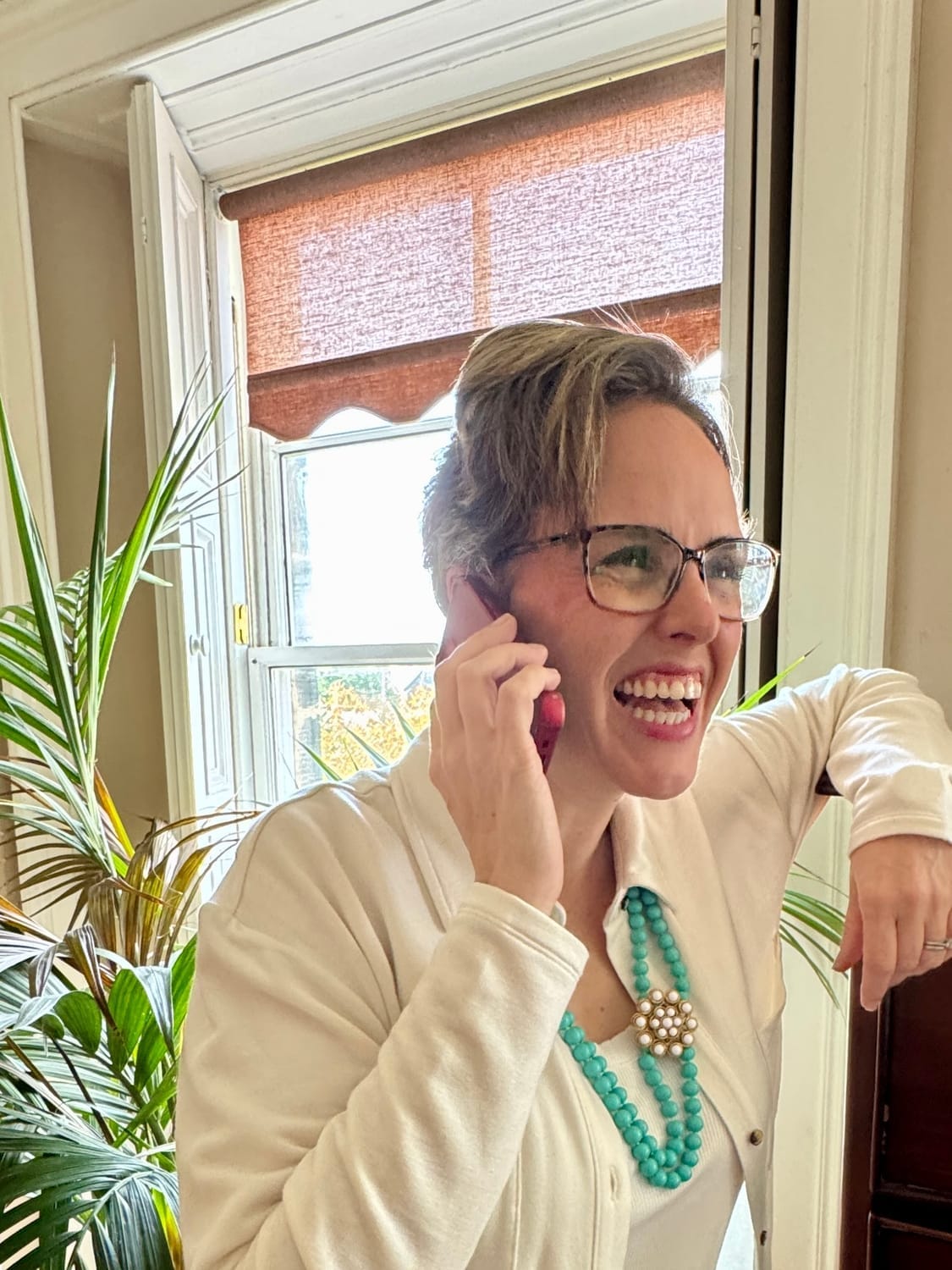
I'm Dr Suzanne Doyle‑Morris and I support professional women working in STEM.
Whether you’re seeking your next promotion, aiming for leadership, or simply looking to make your mark, this blog is created for you.
It's written for the ambitious woman in STEM ready to advance and succeed on her own terms.
Blog Categories
FREE GUIDE
The Women in Tech Promotion Playbook

Your roadmap to advancement with balance.
The Women in Tech Promotion Playbook is a practical, evidence-based guide.
It's designed solely for ambitious women in STEM who want to advance their careers without burning out.
Drawing on over 25 years of coaching, research and consultancy, I outline five strategic steps that help women move from being overworked and under-recognised to confident, visible leaders.
Latest on the blog
The Women in Tech Promotion Playbook
Your roadmap to advancement with balance
The Women in Tech Promotion Playbook is a practical, evidence-based guide designed for ambitious women in STEM who want to advance their careers without burning out. Drawing on over 25 years of coaching and research, I outline five strategic steps that help women move from being overworked and under recognised to confident, visible leaders.