She Couldn't Out-Charm Him. So She Did Something Better.
The Problem: A Charismatic Man Who Promised the Earth
Rebecca came to a session full of angst and even annoyance.
She was standing for the Chair of a senior committee; a competitive election, decided by a vote across a wide range of stakeholders.
Her opponent was a man I'll call William, and he had charisma to burn.
Over his career he'd proudly initiated, but then let down, several big projects, but the gift of the gab had repeatedly saved his bacon.
He'd risen steadily all the same offering the earth, delivering very little.
Rebecca knew, better than most, that half of what he was promising, as part of his ‘vision’, was beyond what their organisation could realistically do.
And still she was anxious about how she'd perform against him.
That's the part worth sitting with: she knew his promises were wishful thinking, and she was still draining herself worrying she'd lose to them.
Her Instinct Was Right, Just Pointed the Wrong Way
What troubled Rebecca most was the unfairness of it.
People like William give a dazzling presentation, and get forgiven later when it doesn't materialise.
To her, that was close to dishonest.
She vowed to me: "I don't want to promise things I know I can't deliver, so in my own weird way, I’d rather under-promise."
That was completely understandable, and I think, to her credit.
Her instinct to refuse the over-promising was sound.
She'd just assumed it left her with nothing to fight back with. It didn't.
Her answer was never going to be matching William's outlandish promises, no matter how enticing they sounded to the organisation.
Her path forward? Tactfully reminding the people voting what they already half-knew.
Because they did half-know what Williams’s track record was.
"Now I think about it," she said, "there were a few questioning faces when William firstly presented to the team, but nobody said the doubt part out loud."
Given his charisma, it was like watching the Emperor’s New Clothes.
Yet he hadn’t yet been voted in as Emperor!
The blind belief in him sat mostly with the big-wigs, the ones who wanted to believe what he was selling.
But this was a vote where every stakeholder counted equally.
The doubters' votes weighed exactly as much as the believers'.
What Rebecca Actually Did: Found a Co-Conspirator
Here's where it became interesting, and where Rebecca did something I'd never seen in that particular institution before.
She didn't go it alone.
Rebecca found the one other person who could see through the ‘wishful thinking’ as clearly as she could.
It had to be someone equally honest about what could and couldn't be delivered.
When she found him, they teamed up and decided to run together.
That was a real departure.
The Chair role had always been held by a single person.
But the two of them looked at the size of the job honestly and concluded it was too big for one person.
Indeed, if they were being kind, going solo may well have been part of why their predecessors had struggled.
So they proposed to share it.
Think about what that move signals, set against William?
He was one charismatic person promising he could deliver the world.
By comparison, they were two clear-eyed people openly admitting the task was large enough to need both of them.
One is a ‘performance’. The other? A ‘plan’.
And in their conversations with stakeholders, and in the final presentation, they didn't trash William.
They simply reminded people of Rebecca's reputation for consistent, if under-celebrated, delivery, and let that sit next to a track record of over-optimistic projects that had let teams down before.
No names. Just the Emperor's New Clothes, gently pointed at.
How It Ended
Rebecca and her co-chair won.
When it came to it, enough people decided they couldn't afford to be swayed by promises they suspected wouldn't hold.
The honesty that had felt, going in, like Rebecca's disadvantage in a charisma contest turned out to be the whole reason she won.
She didn't beat William at his game.
She simply changed the game to one where substance counted.
Then she and her partner trusted the room to know the difference.
The Bit WorthKeeping
If you've ever stood across from someone whose confidence outruns their delivery, and felt you had to either match them or lose, there's often a third option.
Your discomfort with over-promising isn't a weakness to overcome.
It's actually valuable information to you.
Often it's the exact thing the quieter half of the room is feeling too, and waiting for someone to say out loud.
If these are the kind of dilemmas you turn over, my newsletter is where I write about it first, usually before I've worked out the tidy version.
You can subscribe on the front page of this website.
And if you're somewhere where someone else's confidence keeps winning the room that should be yours, that's the work I do one to one.
There's a free chemistry call you can ask me about.
Welcome to my Blog

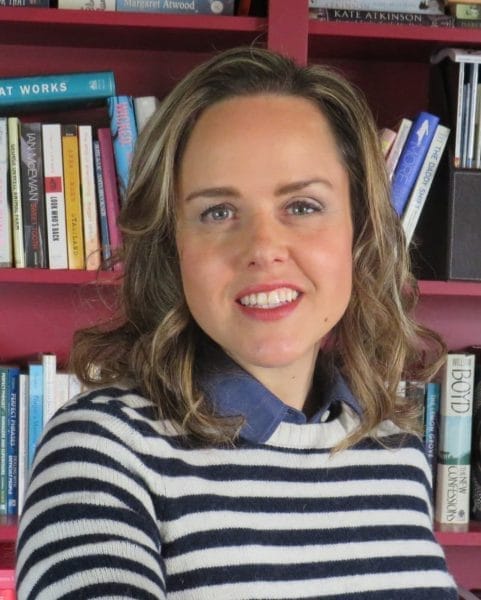
I'm Dr Suzanne Doyle‑Morris and I support professional women working in STEM.
Whether you’re seeking your next promotion, aiming for leadership, or simply looking to make your mark, this blog is created for you.
It's written for the ambitious woman in STEM ready to advance and succeed on her own terms.
Blog Categories
FREE GUIDE
The Women in Tech Promotion Playbook
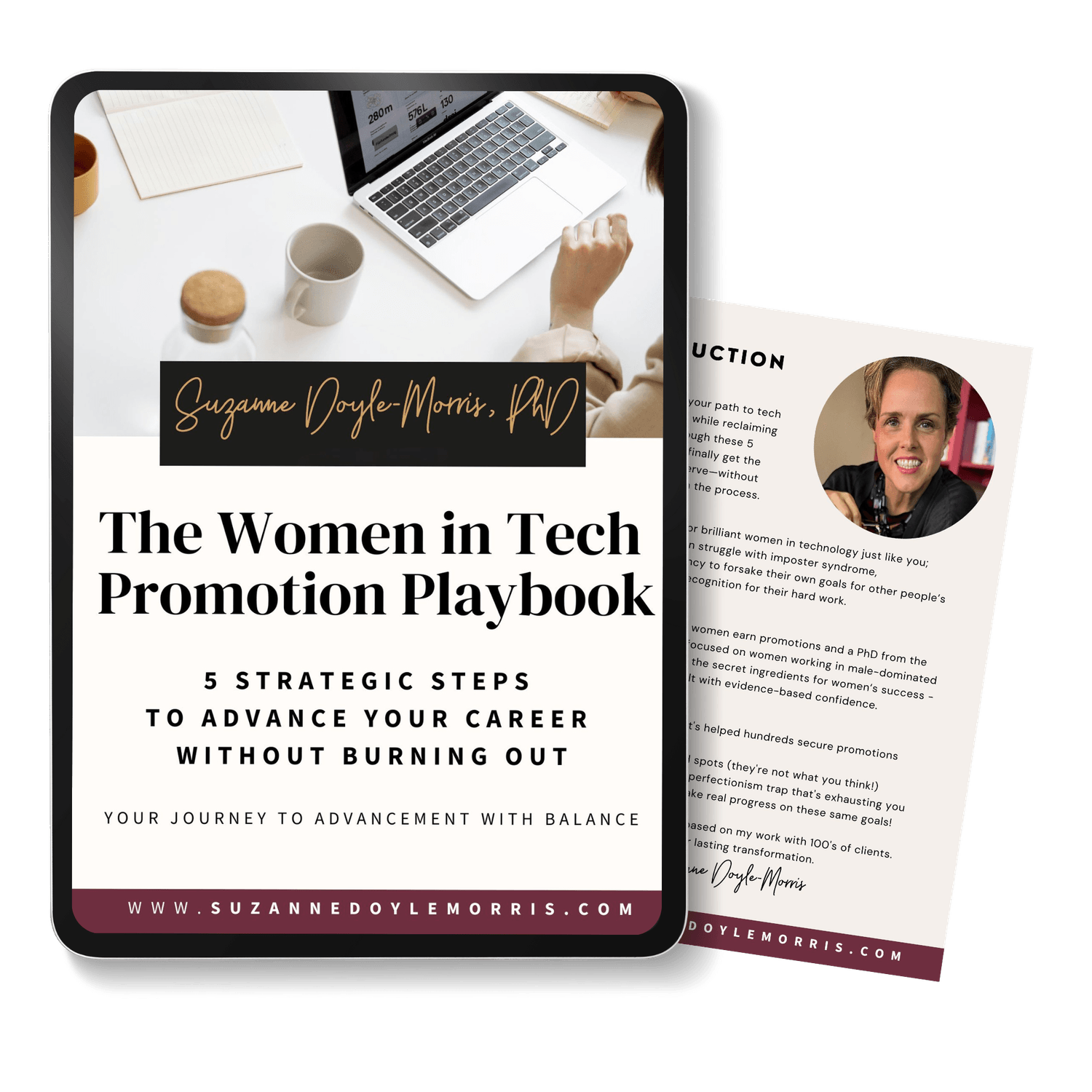
Your roadmap to advancement with balance.
The Women in Tech Promotion Playbook is a practical, evidence-based guide.
It's designed solely for ambitious women in STEM who want to advance their careers without burning out.
Drawing on over 25 years of coaching, research and consultancy, I outline five strategic steps that help women move from being overworked and under-recognised to confident, visible leaders.
Latest on the blog
The Women in Tech Promotion Playbook
Your roadmap to advancement with balance
The Women in Tech Promotion Playbook is a practical, evidence-based guide designed for ambitious women in STEM who want to advance their careers without burning out. Drawing on over 25 years of coaching and research, I outline five strategic steps that help women move from being overworked and under recognised to confident, visible leaders.