She Had MS for a Decade. And Three C-Suite Roles.
Managing Chronic Illness at the C-Suite Level
A few days ago, a former client reached out after I posted about my Multiple Sclerosis diagnosis and that it had not progressed in the last year.
A reassuring win with which I'm sure many of you can empathise.
"I got in touch to let you know, I had MS when we met," Roberta told me.
That was over a decade ago.
When we worked together, she was already in a C-suite role. Her illness clearly wasn't stopping her - and indeed she explained was a real motivation.
Through our coaching sessions, she went on to earn ever more senior roles in three different countries.
In fact, these were markets where she initially thought she'd be out of her depth!
She wasn't.
She made a profound difference and she was told so by top brass as well as the team she led.
The Coaching Question That Shaped Her Leadership
We chatted about what we'd both done in the last decade, and what a shock our diagnoses had been.
Maybe you've been in this place too?
Roberta took it back to the coaching and reflected: "The powerful open questions you asked, particularly 'why is something important?', were so instrumental in shaping my leadership confidence.
Focusing on 'the why' helped me develop persuasive communication approaches critical for organizational restructuring."
Ten years later, she's still using that question to ground her thinking.
Why Senior Women Can't Wait for "Perfect Conditions"
This challenges two assumptions I hear constantly:
"I should wait until things settle down to invest in coaching."
But you and I both know, things don't always settle down.
Not on the schedule we need, and sometimes never :(
Roberta was managing MS, navigating C-suite politics, and leading in unfamiliar markets.
These challenges meant it was the perfect time for her to get the coaching, and to great effect!
Roberta didn't take the easy way out by saying "I have a [health condition/major challenge], which means I couldn't possibly perform at this level."
Instead, Roberta has had MS for her entire leadership journey of over 20 years.
And count them: Three C-suite roles. In multiple countries.
I know what that feels like.
I took on the largest piece of consultancy I ever did, just 3 months after getting my diagnosis and being told to 'avoid stress.'
Challenges Don't Disqualify You—They Make You Extraordinary
Your challenges don't disqualify you.
Often, they're what make you extraordinary.
The coaching doesn't wait for perfect conditions.
It helps you navigate what's actually happening now.
Ready to Reframe Your Challenges?
Email me at suzanne@doylemorris.com for a complimentary chemistry call.
We'll explore your biggest challenges and whether a 12-month coaching partnership makes sense for you.
Or download the 'Women in Tech Promotion Playbook: 5 Strategic Steps to Advance Your Career without Burning Out'.
Most of my clients are employer-funded.
Yes, your company will likely pay for this, and we can talk through how to increase the likelihood that will happen for you.
Alternatively, I also have payment plans if you are investing in yourself.
Learn more about what Executive Coaching with Dr. Doyle-Morris could do for you.
Welcome to my Blog
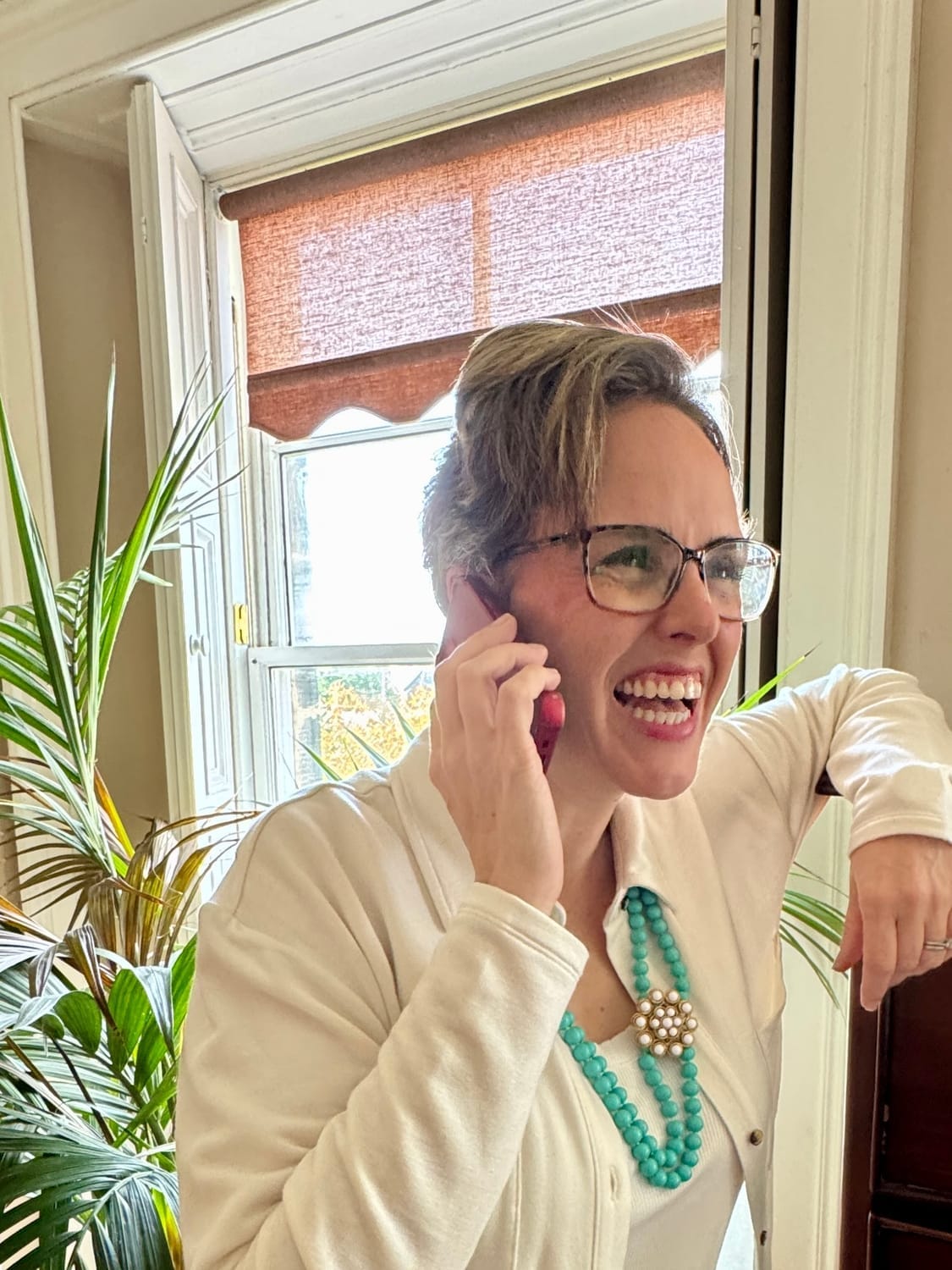
I'm Dr Suzanne Doyle‑Morris and I support professional women working in STEM.
Whether you’re seeking your next promotion, aiming for leadership, or simply looking to make your mark, this blog is created for you.
It's written for the ambitious woman in STEM ready to advance and succeed on her own terms.
Blog Categories
FREE GUIDE
The Women in Tech Promotion Playbook
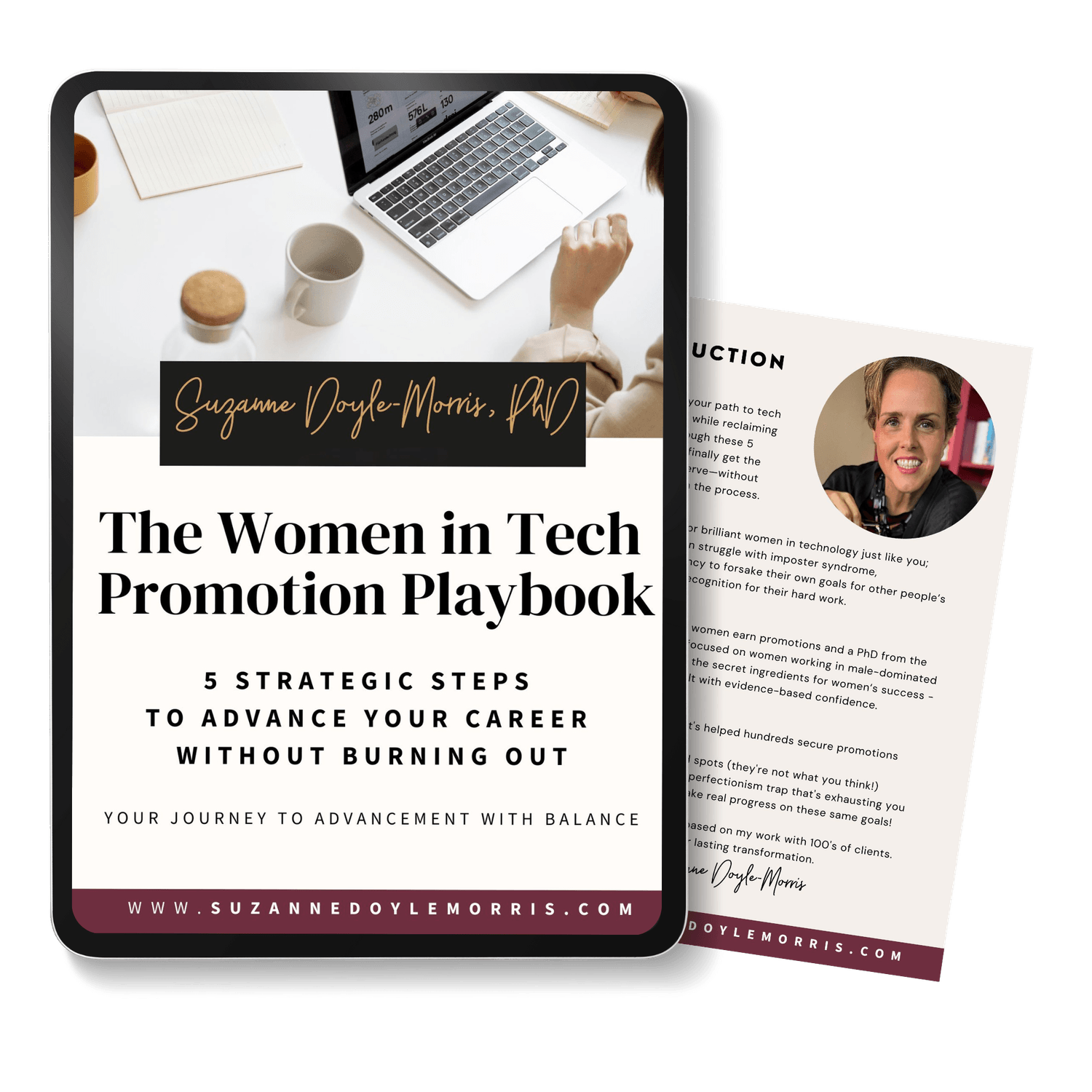
Your roadmap to advancement with balance.
The Women in Tech Promotion Playbook is a practical, evidence-based guide.
It's designed solely for ambitious women in STEM who want to advance their careers without burning out.
Drawing on over 25 years of coaching, research and consultancy, I outline five strategic steps that help women move from being overworked and under-recognised to confident, visible leaders.
Latest on the blog
The Women in Tech Promotion Playbook
Your roadmap to advancement with balance
The Women in Tech Promotion Playbook is a practical, evidence-based guide designed for ambitious women in STEM who want to advance their careers without burning out. Drawing on over 25 years of coaching and research, I outline five strategic steps that help women move from being overworked and under recognised to confident, visible leaders.

Free Workbook
The Senior Women in STEM Leadership Playbook
5 strategic steps to advance your STEM career — without burning out.
Ready to get recognised for the impact you already make? This free workbook gives ambitious women in technology a proven, evidence-based framework for earning promotions with confidence — while keeping balance and wellbeing intact.