Executive Mentoring Programme for Women in Financial Services
The Challenge: A Leadership Pipeline Crisis
A global financial services firm with over 50,000 employees was struggling to move adequate numbers of women into positions of leadership.
Despite multiple leadership changes over a five-year period, the organization had made positive progress around racial diversity and inclusion.
This was mainly driven through government legislation in the home country of the headquarters.
However, they still lacked sufficient female talent to feed into their pipeline for executive-level roles.
Specific Challenges
The firm faced a critical succession planning crisis for women in financial services:
Severe underrepresentation: Only 15% of the firm's "120 Key Roles" were held by women—just 18 women total
Broken succession pipeline: Of those 18 women, only four had even one single potential female successor identified
Leadership volatility: Multiple leadership changes over five years had disrupted continuity in diversity efforts
Uneven diversity progress: Success on racial diversity (driven by legislation) hadn't translated to gender advancement
Mentoring vs sponsorship gap: Women had mentors but lacked sponsors who would actively advocate behind closed doors
Scale challenge: With 50,000+ employees, identifying and developing high-potential women required systematic approach
Retention risk: Without clear pathways to senior roles, high-potential women might leave for competitors
Male-dominated executive committee: 10 of 11 Executive Committee members were male, limiting female role models
The Goal: Building a Sustainable Female Leadership Pipeline
The firm needed to increase the number of women in their "120 Key Roles"—the senior positions critical to organizational success.
Dr. Suzanne Doyle-Morris focused specifically on successor planning for those roles, recognizing that without intentional pipeline development, the gender imbalance would perpetuate indefinitely.
The ultimate goal wasn't just promotions for individual women, but creating a replicable system that would systematically develop female leaders and ensure each of the 120 Key Roles had diverse succession options.
Our Approach: Transforming Mentoring Into Active Sponsorship
Though the corporate client first asked for a mentoring programme, Dr. Doyle-Morris recommended developing a structured 'sponsorship programme' specifically designed to move women closer to attaining Key Role status.
The critical innovation was her underlying remit throughout: encouraging the leaders paired with these women to adopt active sponsorship behaviours—a form of support professional women often lack.
Programme Design
Participant selection:
11 female mentees: High-potential women running for promotion or job stretch within the next 12 months that could take them into one of the 120 Key Roles
11 Executive Committee mentors: Pairing each woman with an Exco member (10 male, 1 female)
Strategic pairings: Dr. Doyle-Morris guided the selection to maximize learning and advocacy potential
Programme structure:
Sponsor training: Delivered by Dr. Doyle-Morris to shift mindset from passive advice-giving to active sponsorship
Sponsee training: Prepared women to leverage relationships strategically and advocate for themselves
Individual check-ins: Regular monitoring to ensure both partners stayed on track for agreed goals
Group sessions: Collective learning and accountability for sponsors and sponsees to expand their thinking
The Sponsorship Distinction
Unlike traditional 'mentoring' focused on advice and support, Dr. Doyle-Morris emphasized sponsorship behaviours:
Active advocacy: Speaking up for sponsees in promotion discussions
Strategic visibility: Creating opportunities for sponsees to showcase capabilities
Political capital: Using sponsor's influence to open doors
Behind-closed-doors support: Advocating when sponsees weren't present
Concrete opportunities: Connecting mentees to stretch assignments and key stakeholders
The Results: Immediate Impact and Systemic Change
The programme delivered measurable outcomes for both sponsees and sponsors, while creating a model for sustainable leadership development of women in financial services.
Results for 11 Sponsees
Career advancement:
5 spondees promoted during the programme (45% promotion rate within 12 months)
Others on track for stretch roles that would position them for Key Role succession plans
Organizational commitment:
7 were more committed to staying with the organization than previously—addressing retention risk for high-potential women
Demonstrated that visible investment in women's careers strengthens loyalty
Performance and confidence:
9 felt more successful in their current roles because of their mentor's guidance
Improved effectiveness even before formal promotion
Advocacy and sponsorship:
10 felt their sponsor would now advocate for them behind closed doors (91% gained active sponsor)
This was the critical shift from mentoring to sponsorship
Results for 11 Executive Committee Mentors
Perspective transformation:
Mentors reported viewing female career progression from a new perspective
Understanding barriers they hadn't previously recognized
Programme replication:
2 participating Exco members started separate sponsorship programmes in their own business units using Dr. Doyle-Morris' model
Organic scaling beyond the initial cohort
Sustained engagement:
Dr. Doyle-Morris invited back by sponsors the following year
Asked to broaden the programme in Year 3
Sponsor enthusiasm drove expansion rather than HR mandate
Systemic Impact
The programme's success demonstrated:
Replicable model: Other business units adopted the approach
Executive buy-in: Mentors became advocates for expanding the programme
Pipeline development: More women positioned for succession into Key Roles
Cultural shift: Active sponsorship becoming normalized leadership behaviour
ROI evidence: Clear connection between structured development and promotions
The firm moved from a crisis of female succession planning to a systematic approach that developed women in financial services leadership. Simultaneously the programme educated senior male executives about barriers and solutions.
About Dr. Suzanne Doyle-Morris
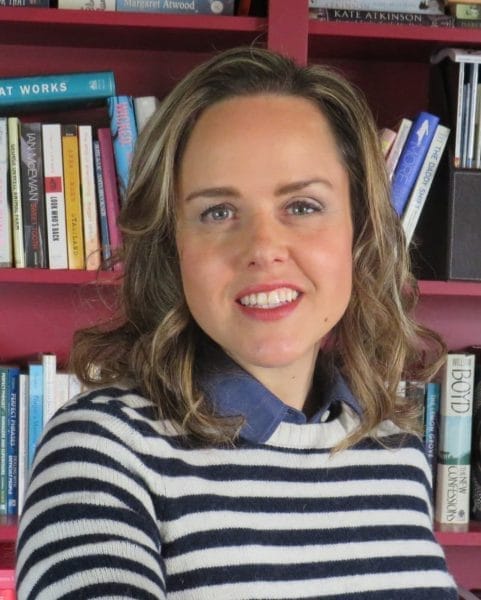
Dr. Suzanne Doyle-Morris is an ICF Master Certified Coach (MCC) with a PhD from the University of Cambridge focusing on women in Engineering.
For 25 years, she's coached accomplished women in STEM as they advance to senior leadership.
She's the author of three books: "Beyond the Boys' Club: Strategies for Achieving Career Success as a Woman Working in a Male Dominated Field," "The Con Job: Getting Ahead for Competence in a World Obsessed with Confidence," and "Female Breadwinners: How They Make Relationships Work and Why they are Future of the Modern Workforce."
80% of her clients secure promotions or stretch roles within 12 months.
Not because she gives advice, but because she asks the right questions.
Welcome to my Blog

I'm Dr Suzanne Doyle‑Morris and I support professional women working in STEM.
Whether you’re seeking your next promotion, aiming for leadership, or simply looking to make your mark, this blog is created for you.
It's written for the ambitious woman in STEM ready to advance and succeed on her own terms.
Blog Categories
FREE GUIDE
The Women in Tech Promotion Playbook
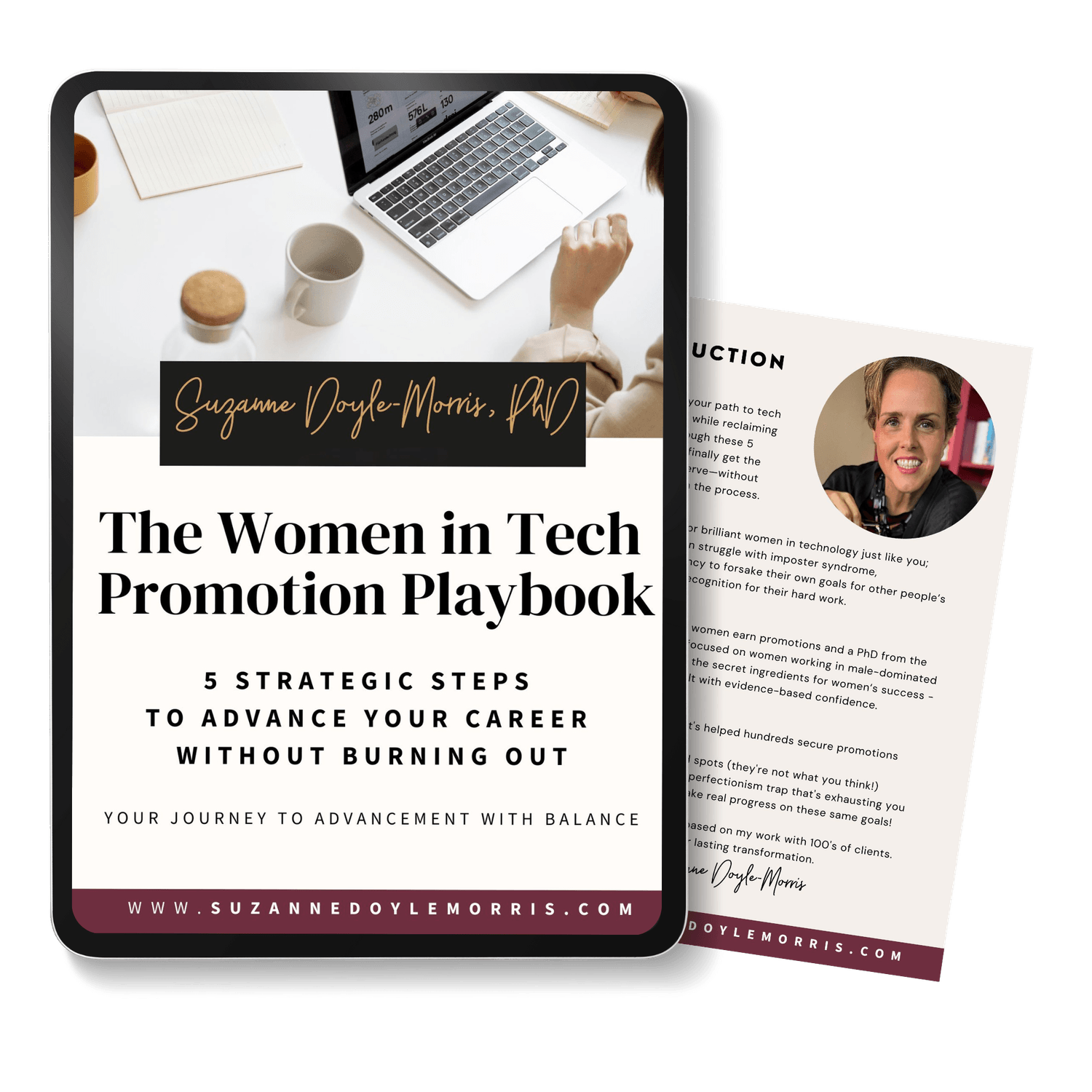
Your roadmap to advancement with balance.
The Women in Tech Promotion Playbook is a practical, evidence-based guide.
It's designed solely for ambitious women in STEM who want to advance their careers without burning out.
Drawing on over 25 years of coaching, research and consultancy, I outline five strategic steps that help women move from being overworked and under-recognised to confident, visible leaders.
Latest on the blog
The Women in Tech Promotion Playbook
Your roadmap to advancement with balance
The Women in Tech Promotion Playbook is a practical, evidence-based guide designed for ambitious women in STEM who want to advance their careers without burning out. Drawing on over 25 years of coaching and research, I outline five strategic steps that help women move from being overworked and under recognised to confident, visible leaders.

Free Workbook
The Senior Women in STEM Leadership Playbook
5 strategic steps to advance your STEM career — without burning out.
Ready to get recognised for the impact you already make? This free workbook gives ambitious women in technology a proven, evidence-based framework for earning promotions with confidence — while keeping balance and wellbeing intact.