Culture Review in Professional Membership Organisation
The Challenge: Modernizing an Esteemed Profession
An established professional organization of nearly 500 members recognized they needed to improve their workplace culture.
All practitioners in this field required accreditation through the organization.
In a rapidly changing marketplace for talent, leadership sought to better reflect the needs and diversity of professionals now earning qualifications to become members.
Specific Challenges
The organization faced multiple complex obstacles to meaningful organizational culture assessment and change:
Cultural issues: Suspected misogyny and significant toll on mental health were key concerns
Resistance to change: Anticipated lack of buy-in from the 'establishment' within this esteemed profession, noted for its tradition
Post-Covid pandemic dynamics: Attracting members back into offices when practitioners had adjusted well to remote working
Limited authority: As the organization was not technically members' employer, they had limited scope to dictate and enforce necessary changes
Generational divide: Differing demographics between senior and junior members in assuming culture would improve 'in due course' with limited intervention
Reputation at stake: An internationally recognized brand facing vocal critics both within and external to the organization
Talent pipeline concerns: Students from under-represented backgrounds (female, BAME, socioeconomically disadvantaged) were majority in their field but increasingly opted to work in adjacent organizations, avoiding this specialism
The Goal: Demonstrating Commitment to Inclusive Culture
The organization needed to modernize and make itself attractive to existing and future members.
They wanted to show clients and external stakeholders their genuine commitment to inclusivity in an increasingly diverse society.
An external stakeholder captured the urgency: "We've seen things were wrong for a long time and are relieved the organization is finally trying to get on top of it with you, an objective outsider—not someone who's already bought into a broken system as it is."
Our Approach: Independent Organizational Culture Assessment
The client sought Dr. Suzanne Doyle-Morris for an independent culture assessment leading to a practical report, recommendations, and delivery plan.
The assessment was based on over 100 individual and group interviews with board members, regular members, staff, clients, and external stakeholders.
Dr. Doyle-Morris reviewed in-house data and utilized comparative data from other sectors. She also considered the likely impact of improved inclusion based on modern research.
Given the organization ranged from downright dubious and hostile to a minority who believed change necessary, she used her ICF Master Certified Coach skills to get open answers from interviewees.
One internal interviewee reflected: "I told you far more than I expected, and it's been far more cathartic than I expected."
What the Assessment Revealed
Opportunities identified:
Leadership realized they had an opportunity to modernize their oft-criticized 'public school boy' image
Recognition from members that being on-site was best for their mental health and career development
All members at all career stages were genuinely engaged on how to improve
Atmosphere of public goodwill from external stakeholders, even the most vocal critics who believed change was possible
Internal appetite for each member to have their say
Wide recognition that without change, the organization could potentially diminish competitive advantages, risk their status as industry regulator, and increasingly be viewed as outdated
The Results: Galvanizing Action Through Evidence
The organization's leadership found the compelling case for modernization detailed in the report impossible to ignore. This provided a strong foundation to address any doubters.
A Senior Board Member stated: "Your report and recommendations knocked it out of the park, showed who we really are based on the evidence, left no stone unturned and left naysayers realising maintaining the status quo that served only a few, was no longer an option."
In the following months, they received hugely positive response when asking for volunteers to work on four committees prioritizing recommendations on Diversity, Outreach, Well-Being, and Governance.
After reading the report, new volunteers for task forces responded with "lightning speed and unprecedented enthusiasm" taking on recommendations, as described by the commissioning leader.
The report was described by readers as a "healthy, and perhaps much-needed departure from our industry style," as well as "engaging and galvanizing."
Dr. Doyle-Morris had used quotes collected which made issues recognizable, even when the speaker was not.
Immediate Implementations
The organization began making immediate changes via task forces.
Within months, they:
Hired new dedicated staff to handle both mental health and inclusion issues
Extended support for under-represented professionals in the organization
Broadened outreach to support diverse professionals in the highly competitive industry more widely
Established four active committees addressing Diversity, Outreach, Well-Being, and Governance
The organizational culture assessment provided the evidence-based foundation leadership needed to modernize while honoring the profession's strengths.
About Dr. Suzanne Doyle-Morris
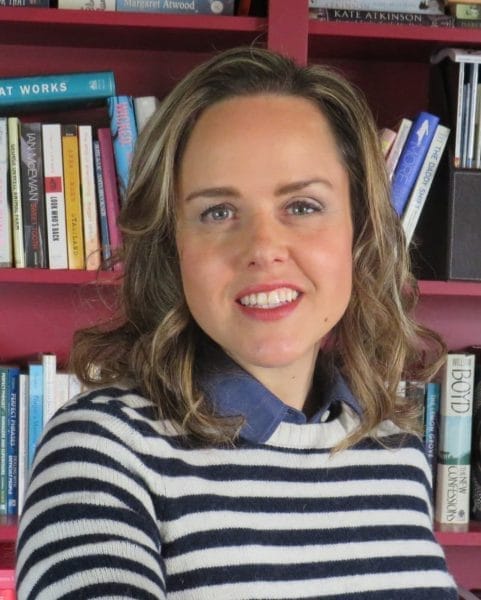
Dr. Suzanne Doyle-Morris is an ICF Master Certified Coach (MCC) with a PhD from the University of Cambridge focusing on women in Engineering.
For 25 years, she's coached accomplished women in STEM as they advance to senior leadership.
She's the author of three books: "Beyond the Boys' Club: Strategies for Achieving Career Success as a Woman Working in a Male Dominated Field," "The Con Job: Getting Ahead for Competence in a World Obsessed with Confidence," and "Female Breadwinners: How They Make Relationships Work and Why they are Future of the Modern Workforce."
80% of her clients secure promotions or stretch roles within 12 months.
Not because she gives advice, but because she asks the right questions.
Welcome to my Blog
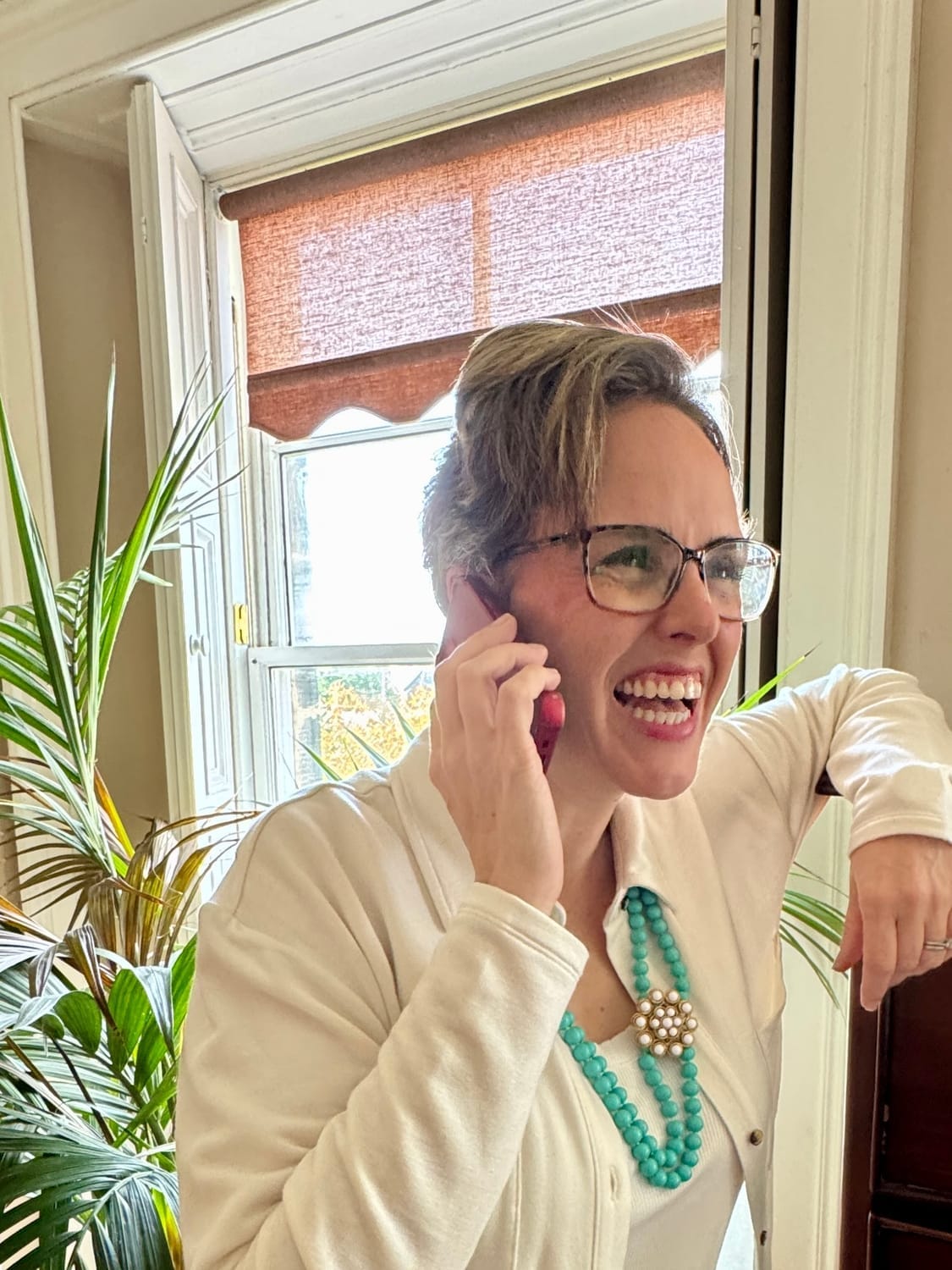
I'm Dr Suzanne Doyle‑Morris and I support professional women working in STEM.
Whether you’re seeking your next promotion, aiming for leadership, or simply looking to make your mark, this blog is created for you.
It's written for the ambitious woman in STEM ready to advance and succeed on her own terms.
Blog Categories
FREE GUIDE
The Women in Tech Promotion Playbook
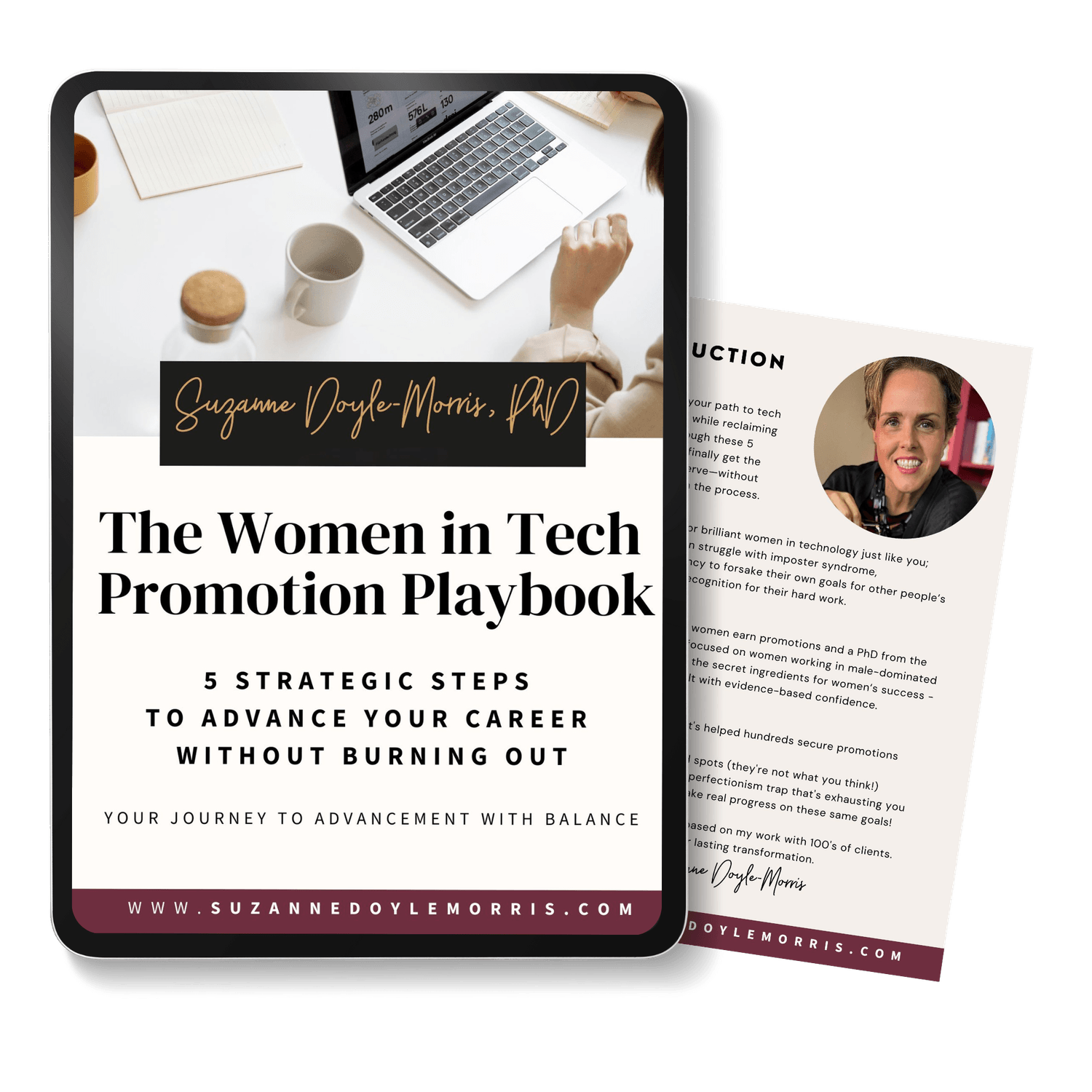
Your roadmap to advancement with balance.
The Women in Tech Promotion Playbook is a practical, evidence-based guide.
It's designed solely for ambitious women in STEM who want to advance their careers without burning out.
Drawing on over 25 years of coaching, research and consultancy, I outline five strategic steps that help women move from being overworked and under-recognised to confident, visible leaders.
Latest on the blog
The Women in Tech Promotion Playbook
Your roadmap to advancement with balance
The Women in Tech Promotion Playbook is a practical, evidence-based guide designed for ambitious women in STEM who want to advance their careers without burning out. Drawing on over 25 years of coaching and research, I outline five strategic steps that help women move from being overworked and under recognised to confident, visible leaders.

Free Workbook
The Senior Women in STEM Leadership Playbook
5 strategic steps to advance your STEM career — without burning out.
Ready to get recognised for the impact you already make? This free workbook gives ambitious women in technology a proven, evidence-based framework for earning promotions with confidence — while keeping balance and wellbeing intact.