I Named the AI Question in 2017. The Room Looked Away.
I Sat at a Table in 2017 and Said AI Would Be Able to Do What We Do. The Looks I Received Ranged From Confused Pity to Downright Hostility.
I was excited to be at the ICF Global Conference in Washington DC. I'd been to one in Orlando and come away galvanised, but this year I'd chosen Washington DC.
I was extra motivated because the flight doubled as a trip home to see my parents, a business expense I could rationalise to myself as easily as to any taxman!
During the ubiquitous round-tables session, I picked the technology table on purpose.
It was one of those where a dozen people pull their chairs in and talk about whatever's actually on their minds, and our theme was technology. What was on mine was AI.
A relative tech-neophyte by this point, I'd nonetheless seen demonstrations where fairly basic models asked a person a few questions and aided in medical diagnoses.
By 2017, I'd also spent years building online games where people practised their hardest workplace conversations with a screen rather than a colleague.
I wasn't speculating. I could see the shape of what was coming.
The Table Voted to Talk About Scheduling Apps
But before I could raise it, the table voted to talk about the utility of scheduling apps.
Calendar bookings. Invoicing software. All useful.
All so far removed from what I saw as potentially the most ground-breaking technology adaptation that I sat there for a while wondering whether I'd misread the room.
So I raised my elephant in the room anyway, saying: "Trained well enough, AI could do a great deal of what we do. It could be a genuine gift to overstretched mental health services. But it could also put us all out of business."
The looks I got ranged from pity and disbelief at the kind end to something close to hostility at the other: shaking heads and furrowed brows all around me.
One coach said, patronisingly: "If you're good, I don't think you have anything to worry about."
I Was Good. And I Was Worried Anyway.
Well, I was good. In fact, I was working towards my Master Certified Coach credential — the highest accreditation the ICF awards, via peer review.
It takes over 2,500 hours of coaching and the assessment of multiple recorded sessions to pass, all to demonstrate the transformative impact a coach can have with a client.
And I'm still worried. Because, like so many of us, I'm living that future now.
I left that table more certain than I'd arrived, not less.
I was now more motivated than ever to deliver not just good coaching, but great coaching.
And I was also flummoxed by how many people seemed to want to put their heads in the sand!
Nine Years On, Everyone Is Having That ConversationOn, Conversation
Nine years on, every coach I know is having that conversation, whether they ever wanted to or not.
And here's what I didn't expect: what I feel looking back isn't vindication. It's empathy.
I know exactly what those colleagues are sitting with, because I'm sitting with it too.
Being early to a hard question doesn't exempt you from it, it just means you've been uncomfortable for longer.
The upside, which is what I work on with my clients, is that you can also get comfortable with uncertainty.
And that's a resilience we're all going to need as AI changes every industry, whether we're coaches or not.
Proactive Curiosity Is a Choice, Not a Personality Trait
What I've come to believe is that proactive curiosity is an active choice, not a personality trait handed to a lucky few.
The people who handle uncertainty best are not the ones who saw it coming and felt clever about it.
They're the ones who saw it coming, felt the fear, and chose to keep looking anyway.
In the years since, I've gone whole-hog; reading extensively on how we humans might interact with AI and what it means.
This won't make me any less affected; it just means I'll understand more as its happening.
And for me and my clients, 'knowledge is power'. More than a bumper-sticker platitude, it's a real-life choice.
A senior HR leader I've long admired once told me, after my second book, Female Breadwinners: How They Make Relationships Work and Why They Are the Future of the Modern Workforce, came out, to let her know when my next one did.
She remarked that I always seemed to have my finger on the pulse of something before other people were talking about it, or even thinking about it.
It took a decade for that third book to arrive, but her comment filled me with pride.
In fact, it kept me going through all the years I was plodding along getting my workplace games off the ground and attending conferences like this one.
As we all turn over the question of what next?, I've been thinking about her remark more than usual.
You've Sat at Your Own Version of That Table
If you're a senior woman in a technical field, you've sat at your own version of that table.
Everyone discussing the small, manageable thing; the tool, the process, the reorg, while the larger wave builds just out of frame.
You can see what might be a tsunami, and you're not sure whether saying so will make you "the difficult one."
But say it! Lord knows they already see you as a bit of a departure from the boys' club.
That instinct to look, before it's comfortable, before anyone thanks you for it, is worth more than being comfortable ever was.
If this is the kind of thing you think about, my newsletter is where I write about it first, usually before I've worked out the tidy version.
You can subscribe on the front page of this website.
(And if you're somewhere where the looking has turned into something heavier; a decision you keep circling, a room you've stopped speaking up in, that's the work I do one to one. There's a free chemistry call you can ask me about, no pitch attached.)
Welcome to my Blog
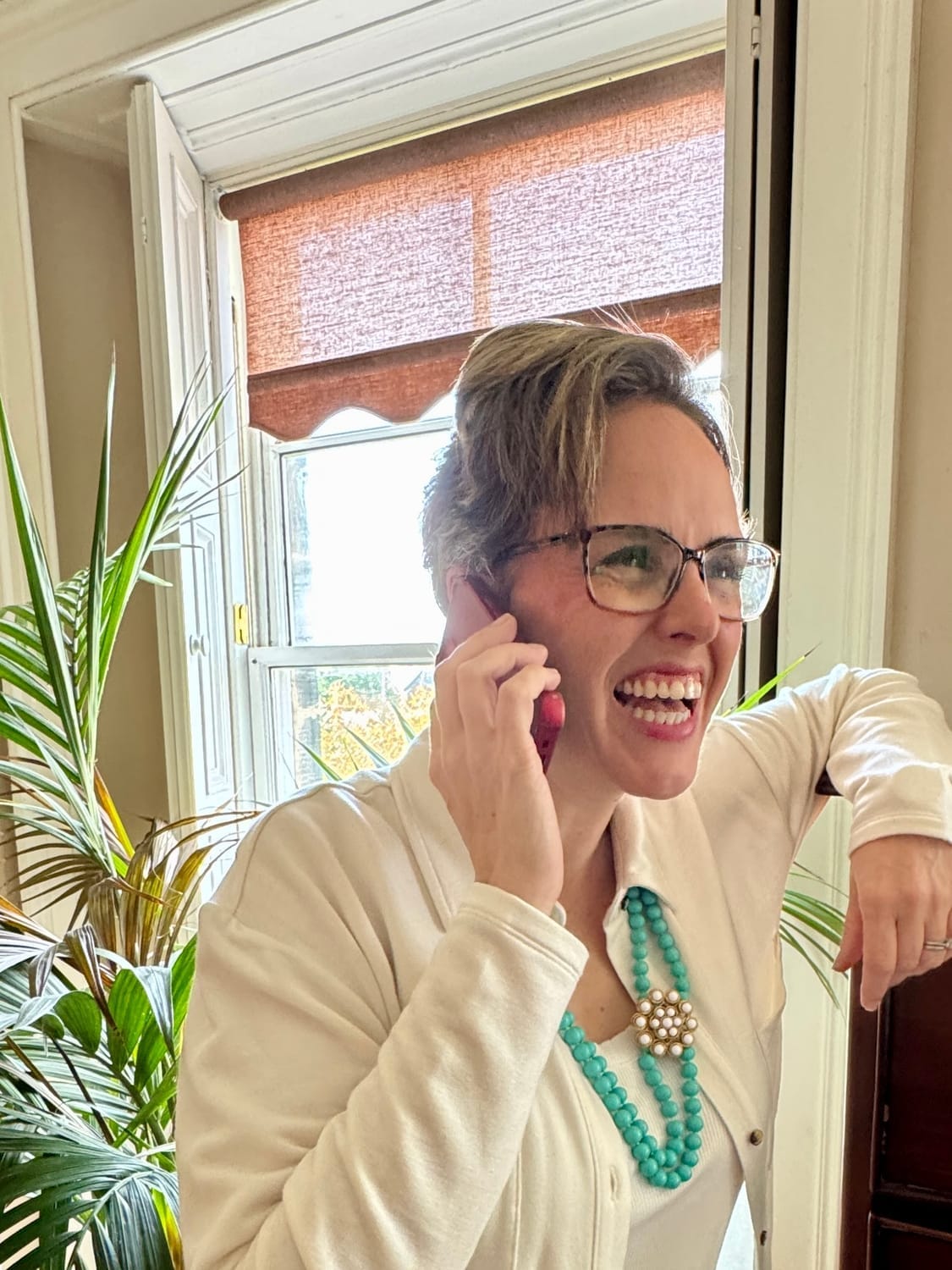
I'm Dr Suzanne Doyle‑Morris and I support professional women working in STEM.
Whether you’re seeking your next promotion, aiming for leadership, or simply looking to make your mark, this blog is created for you.
It's written for the ambitious woman in STEM ready to advance and succeed on her own terms.
Blog Categories
FREE GUIDE
The Women in Tech Promotion Playbook
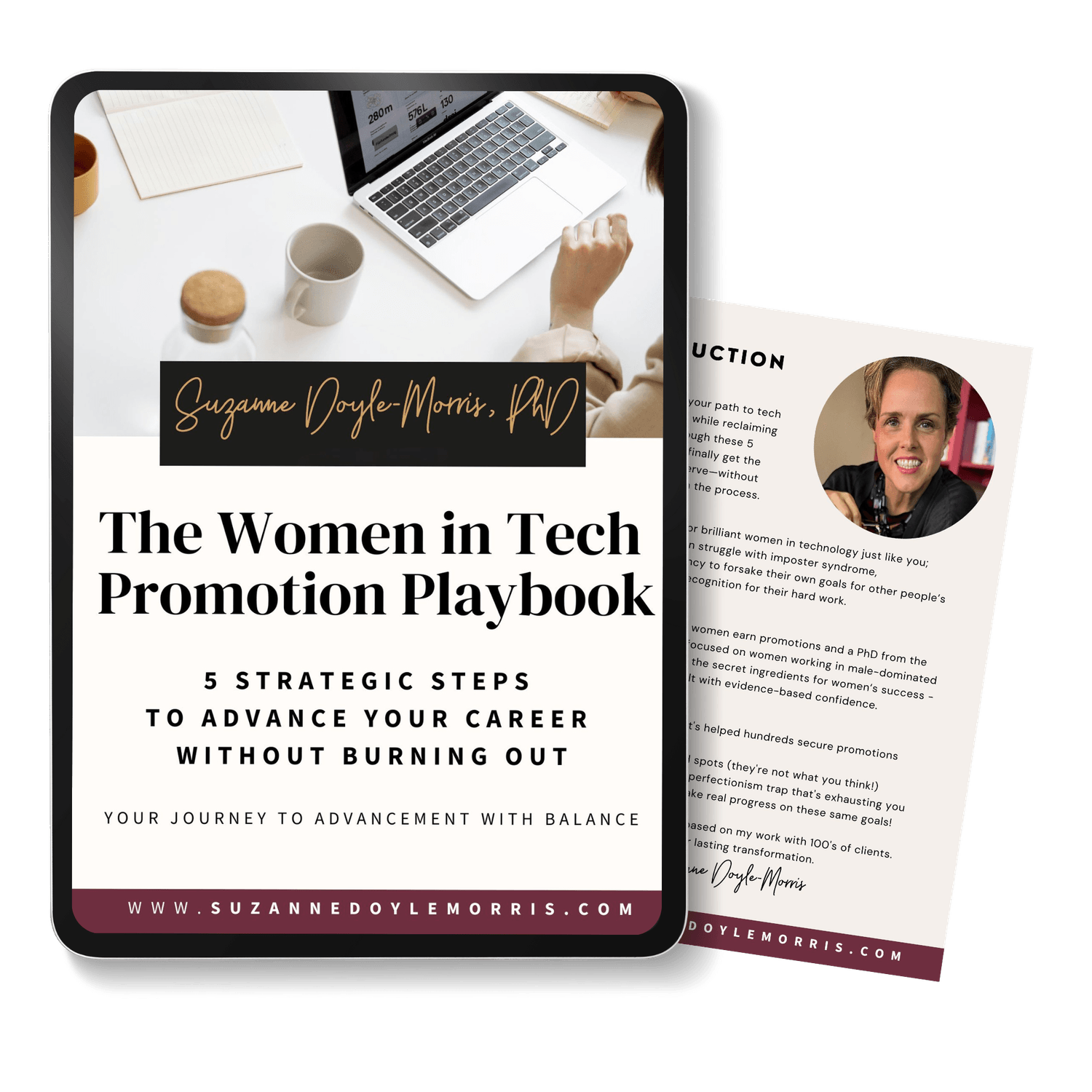
Your roadmap to advancement with balance.
The Women in Tech Promotion Playbook is a practical, evidence-based guide.
It's designed solely for ambitious women in STEM who want to advance their careers without burning out.
Drawing on over 25 years of coaching, research and consultancy, I outline five strategic steps that help women move from being overworked and under-recognised to confident, visible leaders.
Latest on the blog
The Women in Tech Promotion Playbook
Your roadmap to advancement with balance
The Women in Tech Promotion Playbook is a practical, evidence-based guide designed for ambitious women in STEM who want to advance their careers without burning out. Drawing on over 25 years of coaching and research, I outline five strategic steps that help women move from being overworked and under recognised to confident, visible leaders.